
Living & Style / Guide 18
Apartment Interior Design Dubai: Warm Minimalism with Texture and Colour
Create a warm minimalist Dubai apartment with a coherent palette, tactile materials, useful storage and carefully chosen personal objects.
At a glance
Warm minimalism combines a restrained arrangement with tactile finishes and personal detail. Start from the apartment's fixed materials, choose compatible undertones, and remove visual clutter by improving storage rather than removing character.
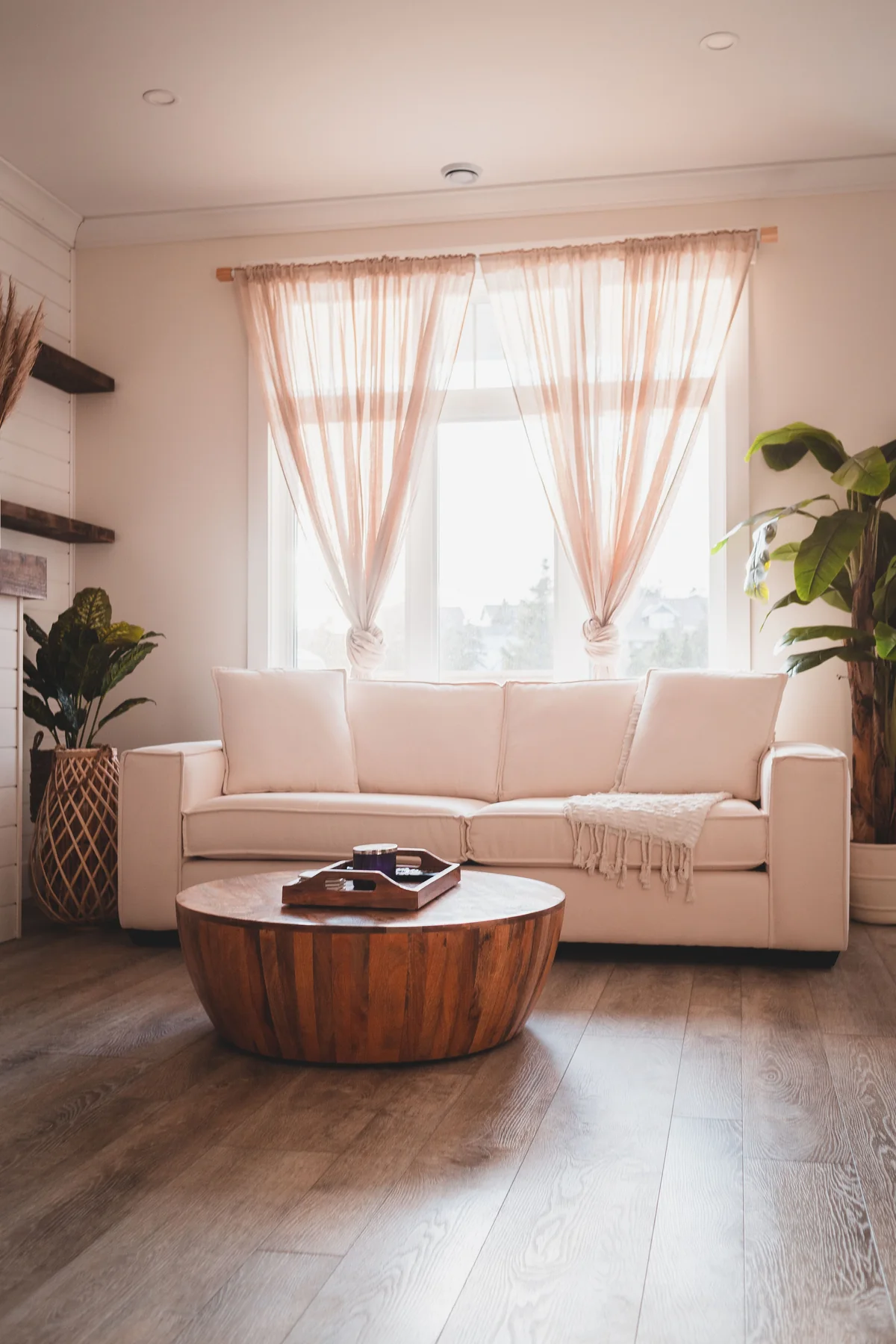
A pale apartment does not automatically feel calm, and a minimal room does not have to be empty. Apartment Interior Design Dubai can use a warm minimalist approach to bring together strong daylight, existing tile floors and comfortable furniture. The aim is a coherent home where materials and everyday objects have enough space to be appreciated.
Begin with the finishes that will remain
Look at the floor, kitchen cabinetry, doors and window frames before choosing paint. These large fixed elements influence how new colours appear. A warm beige selected in isolation can look unexpectedly pink or yellow beside the existing finishes.
Place samples together in the room and compare them at different times. Include the actual curtain and upholstery swatches where possible. A digital mood board is useful for direction, but it cannot show every interaction between physical materials and light.
Use texture to create variation
A woven fabric, smooth painted surface and timber grain can provide interest within a limited colour family. Vary texture deliberately rather than adding a new colour to solve every plain area.
Consider maintenance as part of the selection. Deeply textured upholstery or an irregular decorative surface may collect dust or need a particular cleaning method. The right texture should suit both the visual idea and the household's willingness to care for it.
Introduce contrast where it gives structure
A darker table, a thin metal frame or an artwork can anchor a pale room. Use these elements to define the composition rather than outlining every object in a contrasting colour. Look at the room from its normal entry points to judge the balance.
If several rooms are visible together, repeat one or two details across them. This may be a timber tone, handle finish or textile colour. Repetition helps the apartment feel connected without requiring identical furniture in every space.
Design storage before editing accessories
A room becomes visually busy when practical items have no suitable home. Add closed storage close to the activities that create clutter, such as paperwork near the desk or serving items near dining. Keep the storage interior organised enough to use without effort.
Then decide which objects deserve to remain visible. Personal pieces, books and collections can belong in a minimal interior. Give them clear locations and some space around them rather than arranging a decorative object on every surface.
Test the room in an ordinary week
Judge the design with everyday cushions, charging cables and a half-read book in place. If the room only looks coherent after all evidence of living has been removed, the storage or material balance may need another pass.
Use lighting to reveal texture in the evening and avoid relying entirely on a bright central ceiling fitting. Finish with a small number of flexible accents so the apartment can change over time without losing its overall character.
Common questions
Does warm minimalism mean using only beige?
No. Muted greens, soft earth tones and darker accents can all work. The important relationship is between the fixed finishes, the chosen undertones and the amount of visual contrast.
Can patterned pieces fit a minimal interior?
Yes. A single patterned rug, textile or artwork can provide character when the surrounding arrangement is restrained. Compare its scale and colours with the whole room rather than treating pattern as automatically incompatible.